

Give your paediatrician the story behind the appointment.
Families answer questions about their child before the appointment, one at a time. The paediatrician reads their answers before they meet.

One meaningful question at a time
01
The clinic invites the family
A parent gets an email from the clinic and answers on their phone or laptop, whenever suits them. It’s not a 20-page form.
02
The engine asks only what matters
Age, concerns and earlier answers decide the next question. Nothing is asked twice. Sensitive questions are introduced gently, and can always be skipped.
03
The paediatrician arrives briefed
They get a short summary, medicines, allergies, a timeline and the family’s own words. Every line links back to the answer it came from.
The family’s story book
Families also get a picture book about their child.
It shows the things they love, the people at home and what a normal day looks like, and it can be read aloud. After each appointment, a new chapter is added.
- Pictures made from the family's own answers
- Every page can be read aloud
- Sensitive answers stay with the care team, so it's fine for kids
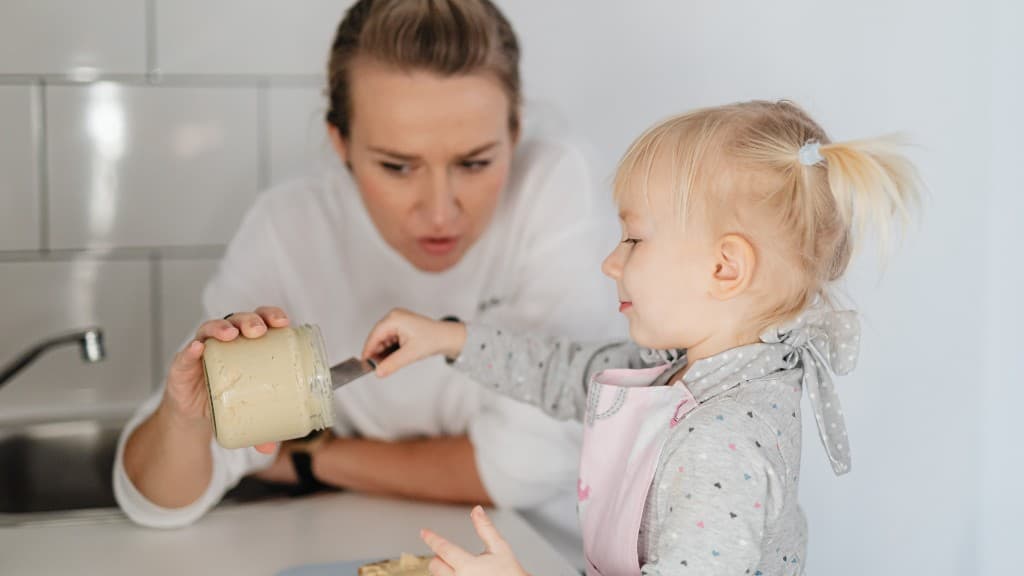
Tell the story once. Be heard properly.
- Save and come back whenever you need a break.
- Young people 12+ have their own private section, never shown to parents.
- Attach letters and reports so they’re in the same place as the story.
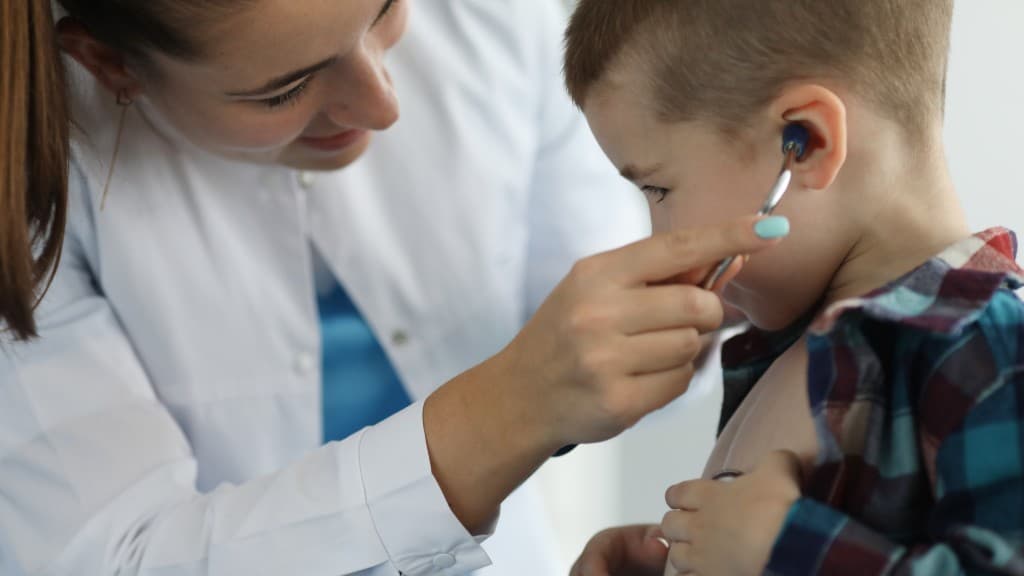
Walk in already understanding the child.
- A one-minute briefing, then the detail if you want it.
- What changed since last time, for returning patients.
- Need more detail? Send the family a few follow-up questions instead of the whole form again.
Designed around privacy, not after it.
Least privilege
Parents never see a young person’s private answers. Administrators cannot browse clinical content.
Deterministic safety
Urgent guidance is decided by published rules, never by an AI model.
An audit trail
We log every time patient data is viewed or changed. The log doesn’t store what the family said.
Ready when the family is.
Free for clinics during the pilot. Families sign in with the invitation from their clinic.